Quick answer
Before buying a gemstone, ask which treatments it has received, what evidence supports that description, and what cleaning or repair restrictions apply. Request the answers in writing. Heat treatment, dyeing, coatings and fracture filling have different consequences; “treated” alone is not a useful care instruction. Some treatments are stable under normal handling, while others need protection from chemicals, abrasion or heat. (gia.edu)
1. Start with identity, treatment and evidence
A seller’s description should answer three separate questions:
- Identity: What gemstone material is this?
- Treatment: What has been done to change its appearance?
- Evidence: Is the description based on a laboratory examination, supplier information or something else?
A gemstone can be natural and treated. GIA’s colored-stone identification reports distinguish natural from synthetic material and separately describe detectable treatments. “Natural,” therefore, is not an answer to “Has it been treated?” (4cs.gia.edu)
Begin with a direct question:
“Which treatments have been disclosed for this particular stone, and how was that information established?”
Then ask:
“Does that include treatments beyond heating, such as dyeing, coating, filling or diffusion?”
GIA lists heating, irradiation, fracture filling or clarity enhancement, coating, dyeing and diffusion among the treatments it examines colored gemstones for. These four categories discussed below are important starting points, not a complete treatment inventory. (my.gia.edu)
If the seller does not know, ask them to record “treatment status unknown” rather than translating uncertainty into “untreated.” You can then decide whether to seek testing, accept the uncertainty or choose another stone.
2. Understand what the four treatments actually change
The useful distinction is not simply treated versus untreated. It is what changed and what might happen during ownership.
| Treatment | What it does | Useful buyer question |
|---|---|---|
| Heat treatment | Uses high temperatures to alter color, clarity or both. | “Was heating the only treatment disclosed?” |
| Dyeing | Introduces coloring agents into porous material or fractures. | “Can the dye fade or be affected by solvents?” |
| Surface coating | Adds material to the outside of the gem to change its appearance. | “Could cleaning, abrasion or polishing remove the coating?” |
| Fracture or cavity filling | Adds material to surface-reaching breaks or cavities, making them less visible. | “What filling is known to be present, and what care does it require?” |
These are different processes, even when a seller groups them under “enhancement.” (gia.edu)
Heating does not automatically mean fragile. GIA describes untreated and heat-treated ruby as very durable. That does not make heat-treated ruby interchangeable with glass-filled ruby, which requires greater care. (gia.edu)
Dye stability varies. Some dyes can fade with prolonged sunlight exposure; solvents such as alcohol or acetone can affect some dyed materials. Ask about the specific stone rather than accepting a blanket promise about every dyed gem. (gia.edu)
A coating needs its own care instructions. For coated topaz, GIA warns that abrasive cleaners or buffing wheels can remove the metallic-oxide surface layer. The gemstone underneath and its coating do not have identical durability. (gia.edu)
Filling changes apparent clarity. Ask what is known about the filling material and extent of enhancement. Do not assume that a seller’s phrase such as “clarity enhanced” supplies those details.

3. Ask for disclosure before paying—not just on the receipt
For U.S. buyers, the Federal Trade Commission’s Jewelry Guides identify three circumstances in which failing to disclose treatment is unfair or deceptive:
- The treatment is not permanent.
- It creates special care requirements.
- It significantly affects the stone’s value.
Where treatment creates special care requirements, the Guides call for disclosure of that fact and recommend explaining the requirements to the purchaser. (ecfr.gov)
The timing matters. The Guides allow disclosure before sale at the point of sale. For purchases made without personally viewing the product—including online purchases—disclosure should appear in the product solicitation or description. (ecfr.gov)
As a practical buying standard, request more than “enhanced”:
- The treatment name or the exact laboratory finding.
- Any known limits on permanence.
- Cleaning and repair restrictions.
- The evidence supporting the description.
- Any unresolved uncertainty.
Keep a copy of the listing alongside the invoice and report. If those documents describe treatment differently, ask the seller to resolve the discrepancy before you purchase.
Written detail is useful, but this checklist is not a legal-compliance template. The FTC Guides provide the U.S. framework; requirements elsewhere may differ.
4. Read laboratory findings without overstating them
A laboratory report can provide evidence that appearance and seller assurances cannot supply. GIA’s identification report describes the material, whether it is natural or synthetic, its characteristics and detectable treatments. An identification-and-origin report adds an informed geographic-origin opinion. (4cs.gia.edu)
The important word is detectable. Treat the report as a statement of its findings, not as an unlimited reconstruction of everything that has happened to the stone.
Ask the seller or laboratory:
- “Which treatments does this report address?”
- “Does its wording leave any treatment question unresolved?”
- “Are there examination limitations for this item?”
- “Does the report identify the filler, or only the presence and extent of filling?”
- “Has the stone been treated, repaired or recut since examination?”
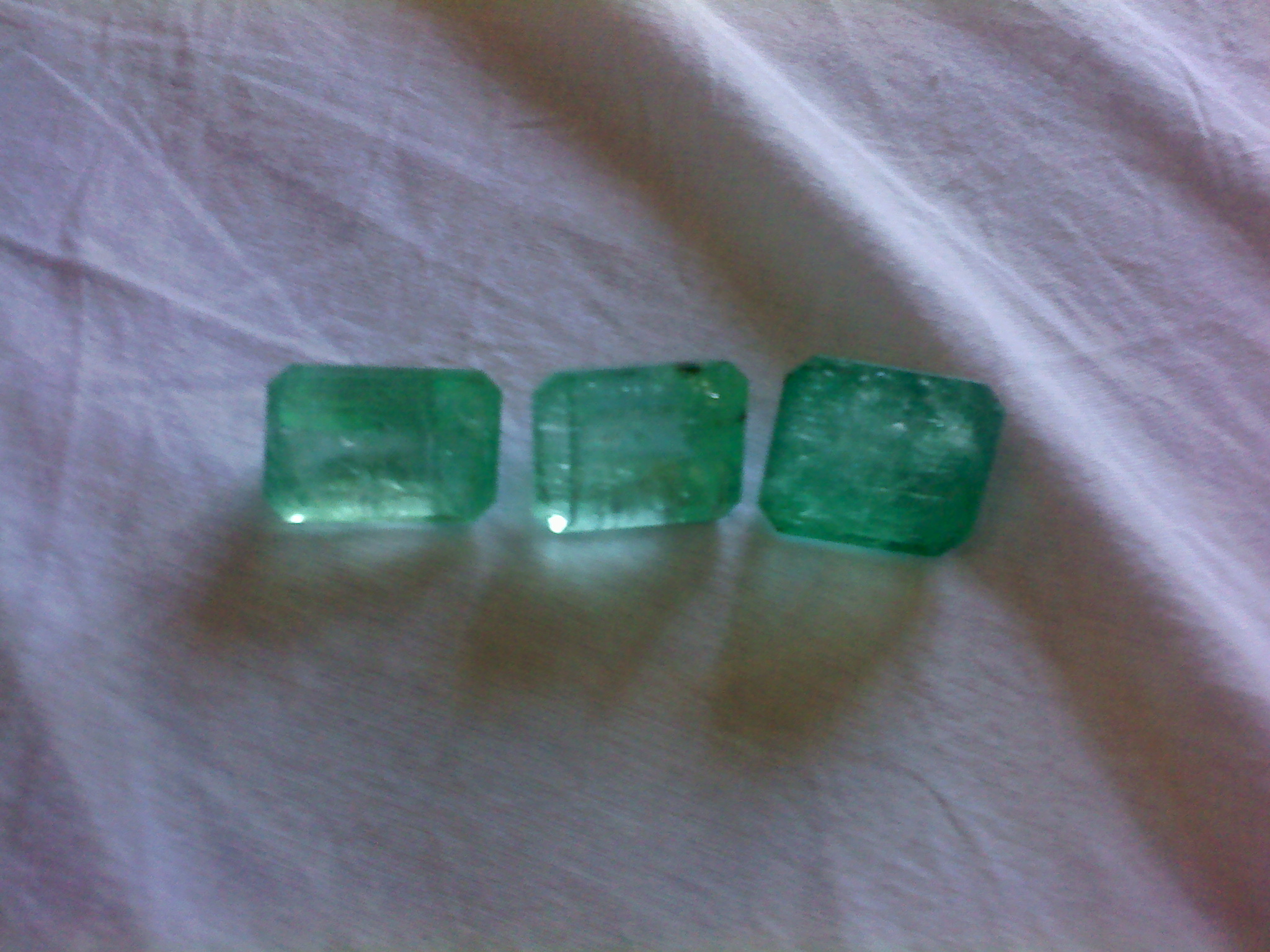
A useful example of report scope concerns emeralds. GIA says it does not identify the filling material because an emerald may have been filled repeatedly with different substances. Its emerald reports do quantify the amount of filling material present. A seller’s claim of “oil only” therefore needs its own supporting basis; do not assume the report establishes it. (my.gia.edu)
For a purchase where treatment status is central to your decision, consider making the sale conditional on suitable independent testing. Agree in writing on the return deadline, testing arrangements and what happens if findings differ from the listing.

5. Work through a seller conversation before choosing
Hypothetical example: You are comparing two ruby rings for frequent wear. One listing says “natural ruby, heated.” The other says “natural ruby, clarity enhanced.” No prices, measurements or laboratory results are assumed here.
For the first ring, ask:
Buyer: “Does ‘heated’ describe all disclosed treatments, or is filling also present? What supports that statement?”
For the second:
Buyer: “What does ‘clarity enhanced’ mean for this stone? Is it glass-filled, and what cleaning or repair restrictions apply?”
This distinction matters because GIA describes heat-treated ruby as very durable but warns that glass-filled ruby can be affected by chemicals, including mild acids such as lemon juice. (gia.edu)
Suppose the second seller confirms glass filling. A useful written record could say:
Illustrative disclosure—not a laboratory finding or legal template:
“Ruby with disclosed glass fracture filling. Special care is required. Clean with a damp cloth; avoid ultrasonic and steam cleaning. Inform the repair jeweler of the filling before any work.”
Those cleaning restrictions reflect GIA’s guidance for filled ruby and its caution against ultrasonic cleaning of fracture-filled gems. (gia.edu)
For the first ring, ask the seller to attach the actual report, if available, and reproduce its treatment wording accurately. Do not ask them to add “no other treatments” unless they can support that broader statement.
Now compare the rings against your needs: appearance, documented treatment status, care burden and return terms. This example does not establish which ring is worth more. It shows why two similar-looking stones should not be compared on color and size alone.
6. Turn the disclosure into a cleaning and repair plan
Before buying, ask the seller to answer four ownership questions:
- What routine cleaning method is appropriate?
- Are ultrasonic or steam cleaners prohibited?
- Are there chemical, heat or light restrictions?
- What must a jeweler know before repair or polishing?
Avoid relying on a generic gemstone-cleaning chart when the stone’s treatment is known. GIA advises against ultrasonic cleaning for gems with filled surface-reaching breaks and for several other treatment-sensitive materials. It also notes that some heat-treated gemstones should not be cleaned ultrasonically. (gia.edu)
Two specific examples show why instructions must follow the material:
- Filled, cavity-filled or dyed ruby: GIA recommends cleaning only with a damp cloth. (gia.edu)
- Topaz: GIA recommends warm, soapy water and avoiding steam or ultrasound. For coated topaz, avoid abrasive cleaning and buffing that could remove the coating. (gia.edu)
If identity or treatment remains unknown, postpone machine cleaning and ask a qualified jeweler or gemologist to establish an appropriate method.
Keep the treatment record with the jewelry. When arranging repair, mention treatment at intake rather than assuming the person doing the work will see the original sales documents.
7. Avoid these mistakes and use a final buying checklist
Mistake: Treating “natural” as “untreated.” Identity and treatment are separate findings. Ask about both. (4cs.gia.edu)
Mistake: Accepting a vague enhancement label. Follow “enhanced” or “clarity improved” with a request for the actual process and supporting evidence.
Mistake: Assuming hardness settles every care question. Ruby’s care changes when filling is present; a topaz coating can be removed by abrasion. Ask about the finished, treated stone—not just the mineral name. (gia.edu)
Mistake: Trying a damaging home test. Do not use solvent wiping or abrasive rubbing to check for dye or coating. Those actions can alter the very treatment you are trying to identify. (gia.edu)
Before paying, check that you can answer:
- What material am I buying?
- Which treatments are disclosed, and what remains unknown?
- What evidence supports the description?
- Do the listing, report and invoice agree?
- Can I follow the cleaning and repair restrictions?
- Are any testing and return arrangements recorded?
You do not need a universal rule against treated gems. You need enough information to choose deliberately—and care for the particular stone you purchase.