Skip to content

gemcubes.com

  • Home
  • Uncategorized
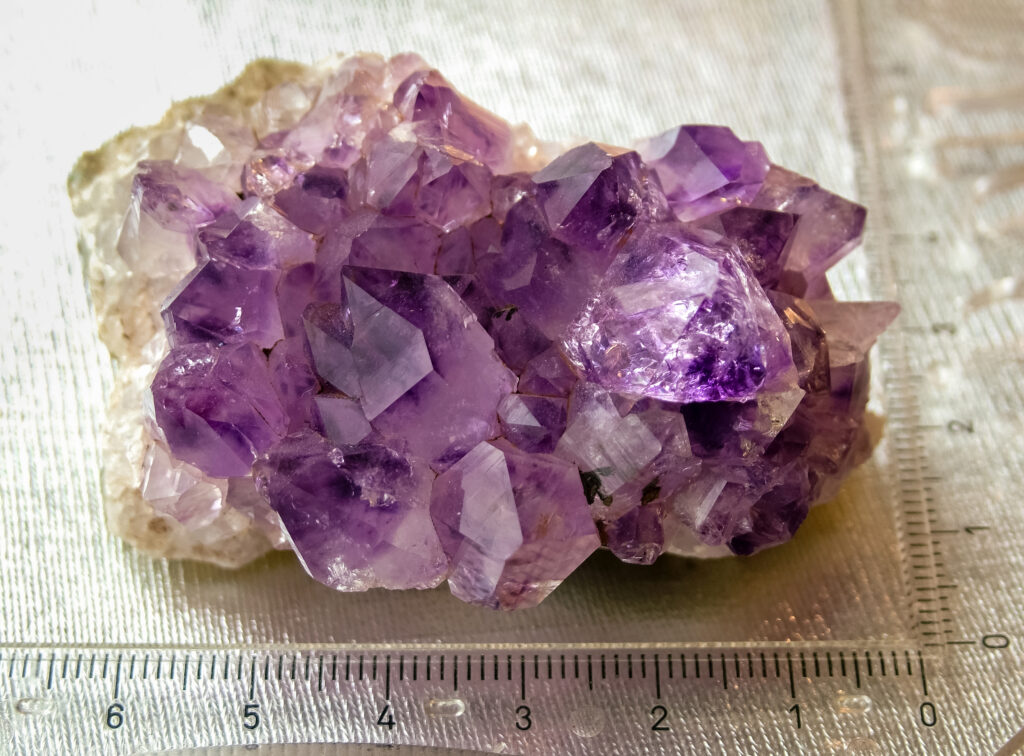
Cluster of raw purple amethyst crystals with distinct pointed crystal forms.

Uncategorized

Quartz Varieties Explained: Amethyst, Citrine, Rose Quartz and Chalcedony

Quick answer Amethyst, citrine and rose quartz are varieties of quartz distinguished mainly by color. Chalcedony belongs to the same broad gemstone family, but its name describes a fine-grained crystalline material rather than one particular color. Agate is a banded…
October 6, 2026

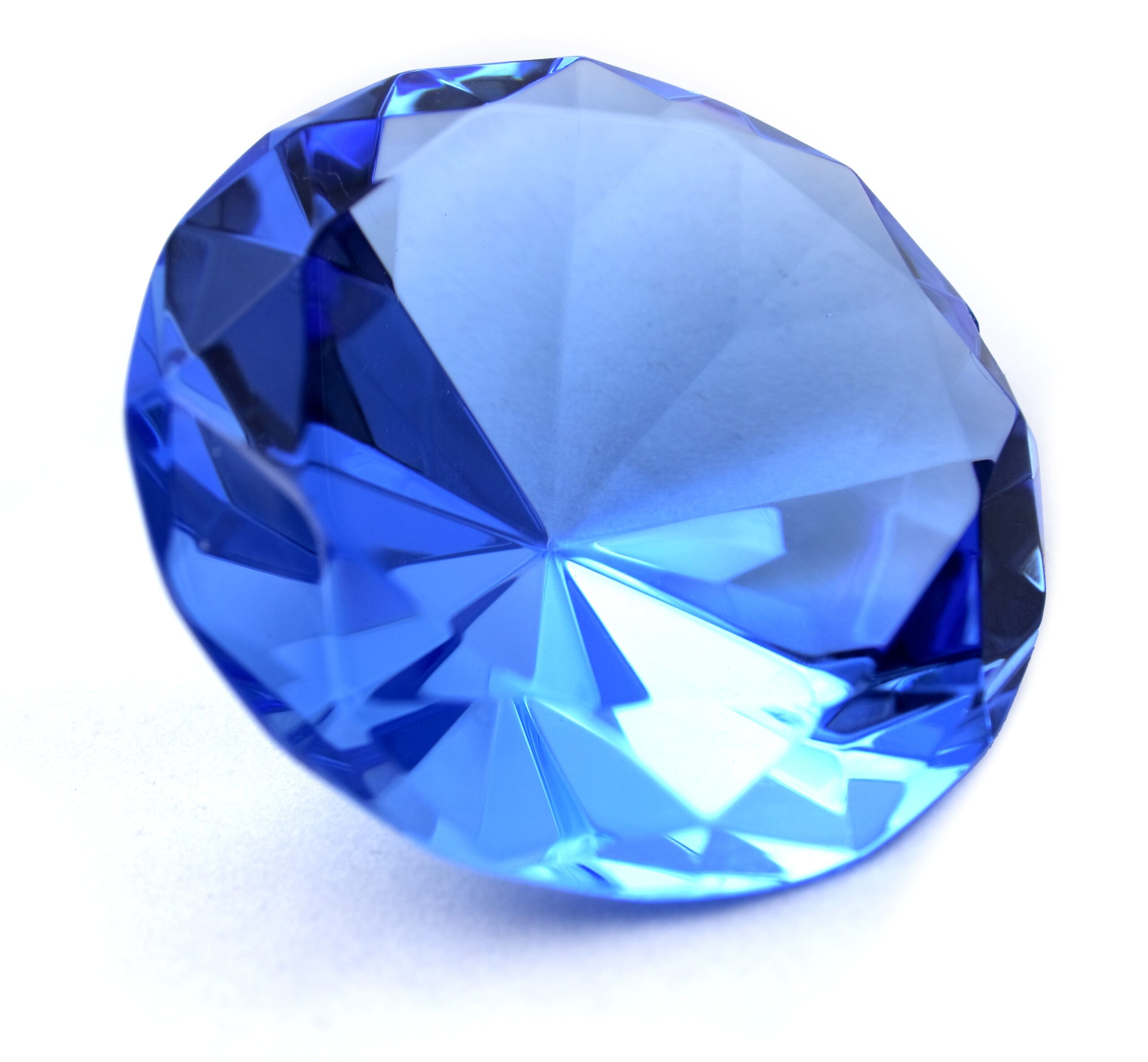
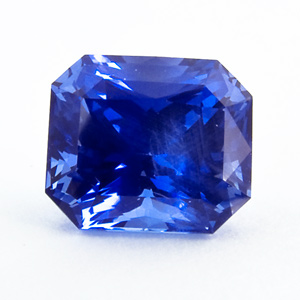
Blue rectangular faceted sapphire with clipped corners, photographed face-up against a light background.

Uncategorized

Comparing Loose Gemstones Online: Look Beyond Carat Weight

Quick answer: Carat weight tells you how much a gemstone weighs, not how large it looks or how attractive it is. Compare millimeter dimensions first, then…

October 5, 2026

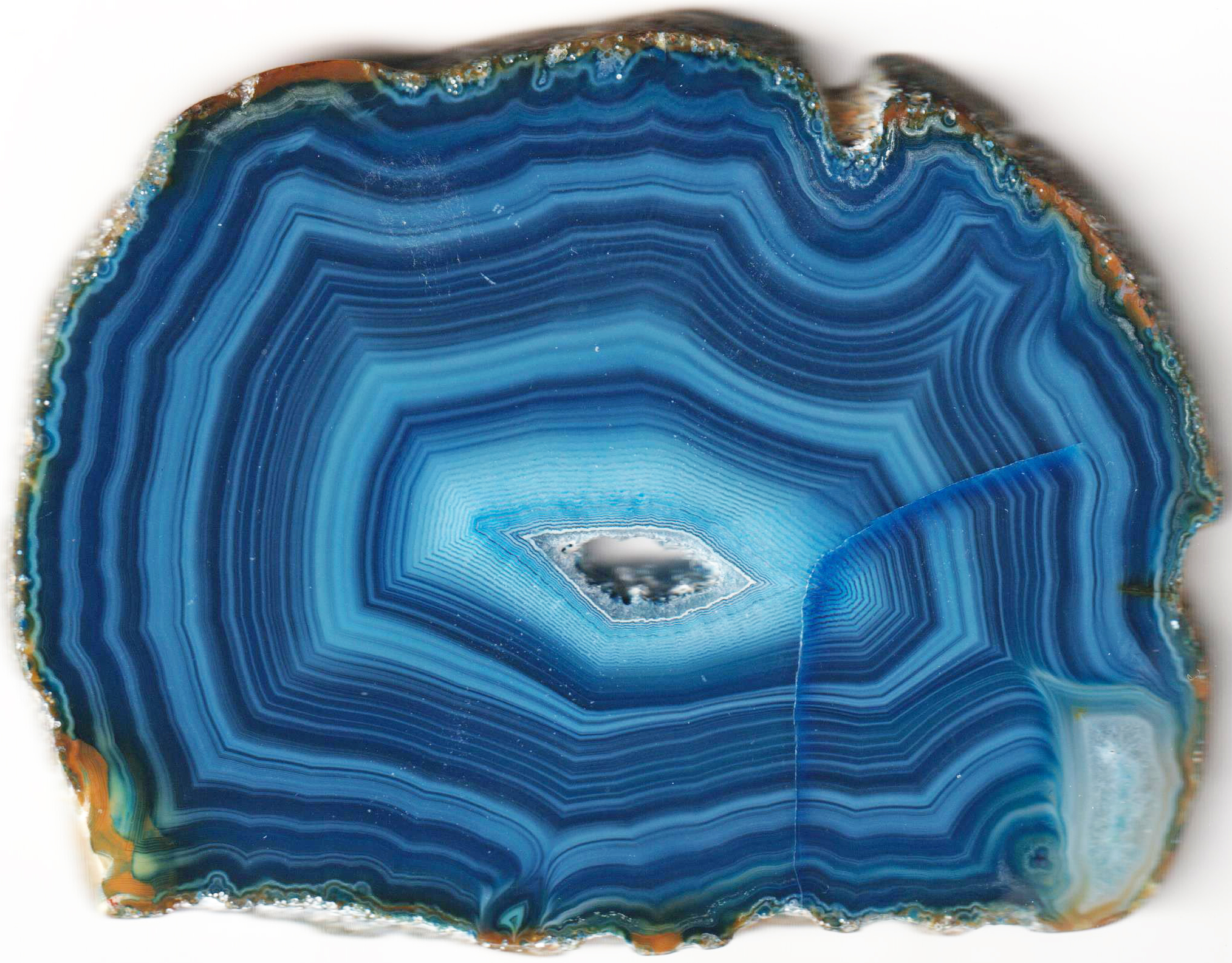
Banded agate specimen identified in its Wikimedia Commons file description as dyed.

Uncategorized

Gemstone Treatments: Questions to Ask Before You Buy

Quick answer Before buying a gemstone, ask which treatments it has received, what evidence supports that description, and what cleaning or repair restrictions apply. Request the…

October 5, 2026

Uncategorized

How to Read a Colored-Stone Identification Report

Quick answer: A colored-stone identification report records a laboratory’s findings about the material examined: its identity, natural or laboratory-grown status, descriptive characteristics and detectable treatments. Some…

October 5, 2026

Uncategorized

How to Clean and Store a Mineral Collection Safely

Quick answer: Choose care methods for the whole specimen—not just its main crystal. Check its identity, associated minerals, condition and known treatments before cleaning. If anything…

October 5, 2026

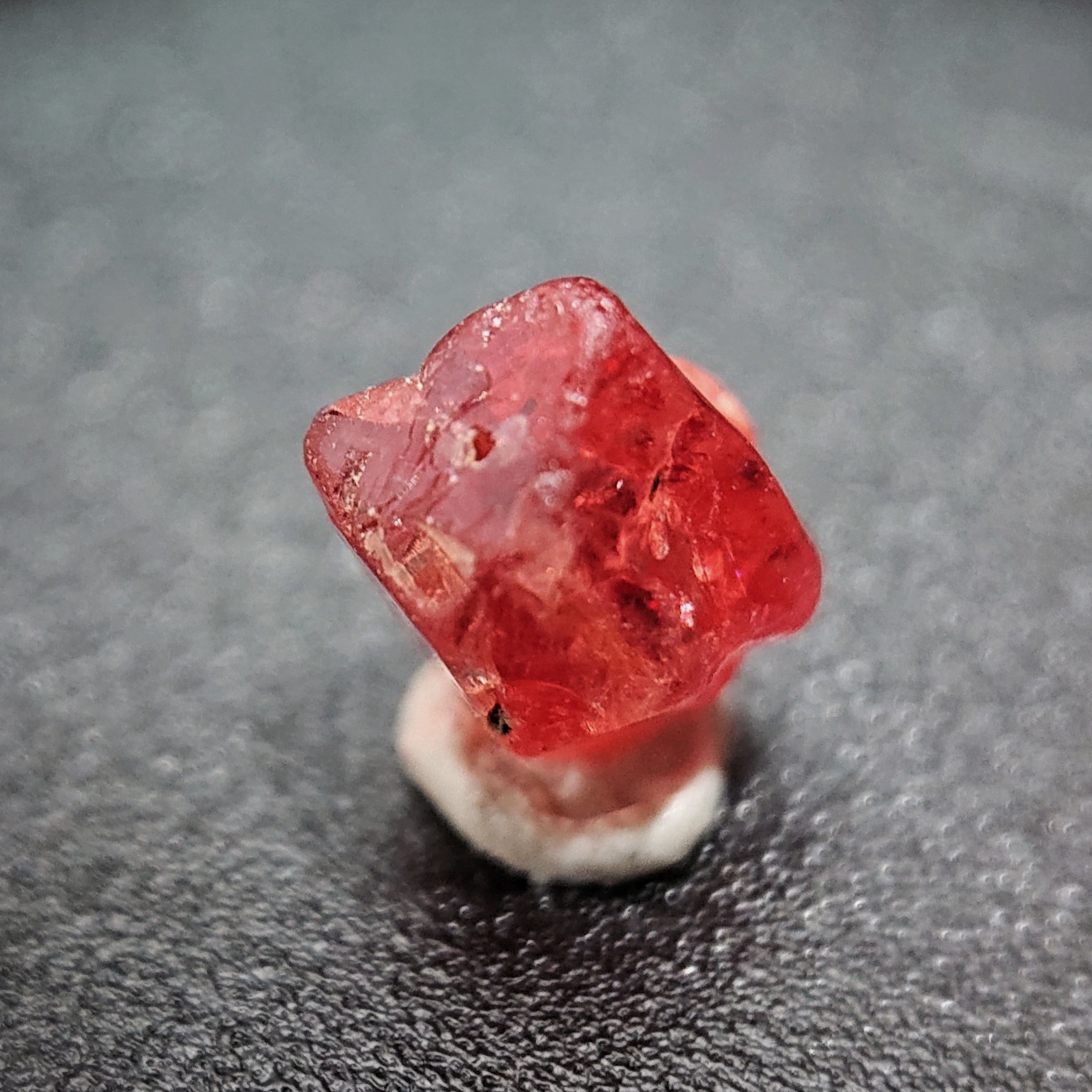
Rough red spinel specimen supported upright against a dark textured background.

Uncategorized

Can You Identify a Gemstone by Looking at It?

Quick answer Looking at a gemstone can help you describe it and suggest possible identities, but appearance alone usually cannot confirm what it is. Gemologists combine…

October 5, 2026

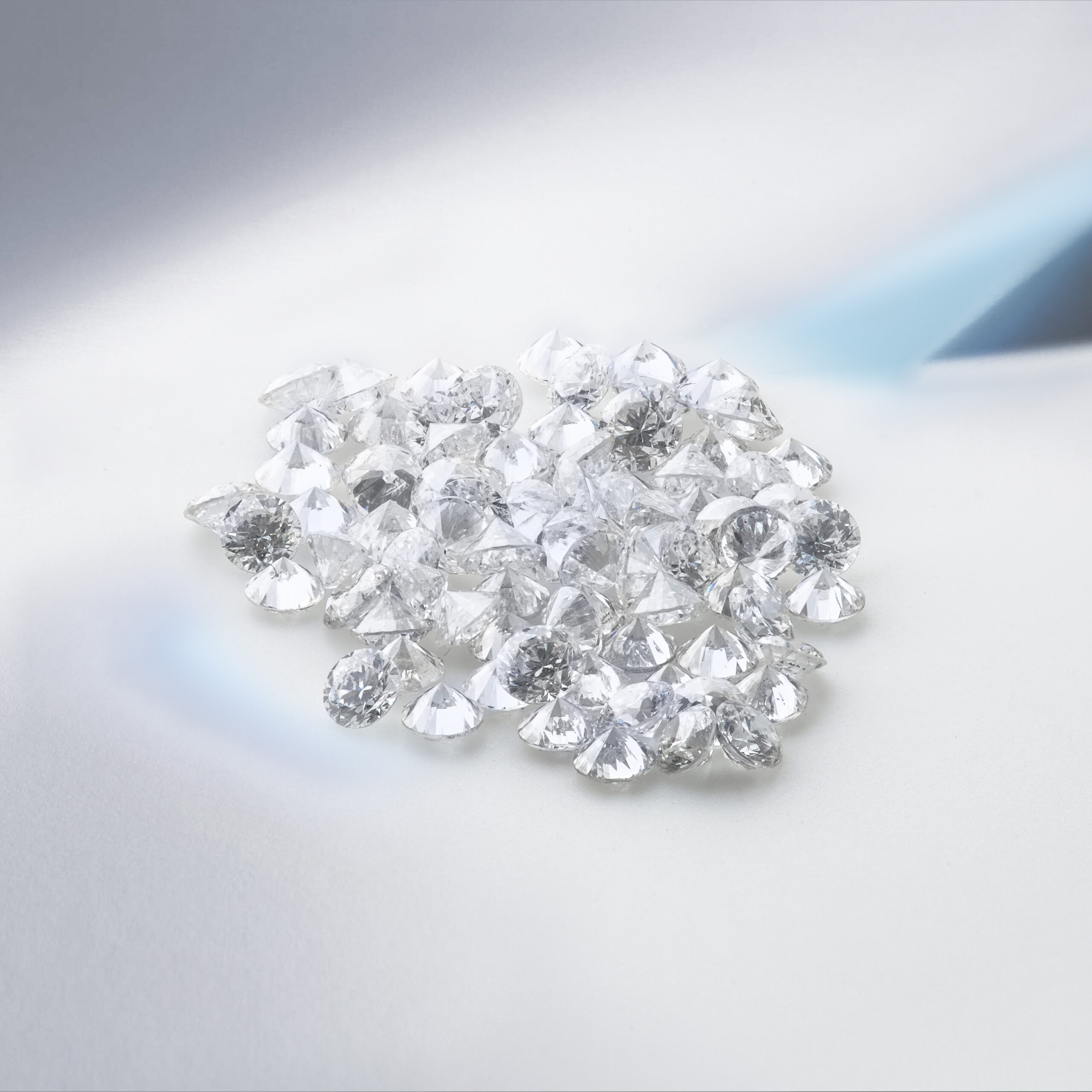
Close-up of a colorless faceted laboratory-grown diamond.

Uncategorized

Natural, Laboratory-Grown and Simulated Gems: How to Read the Labels

Quick answer Natural describes a gem that formed in nature. Laboratory-grown describes a manufactured gem with essentially the same chemical, physical and optical properties as its…

October 5, 2026

Close-up of a faceted blue sapphire with bright reflections across its crown.

Uncategorized

Ruby vs. Sapphire: Same Mineral, Different Names

Quick answer Ruby and sapphire are varieties of the same mineral: corundum. Ruby is red corundum; sapphire covers the other gem colors, including blue, pink, yellow…

October 5, 2026

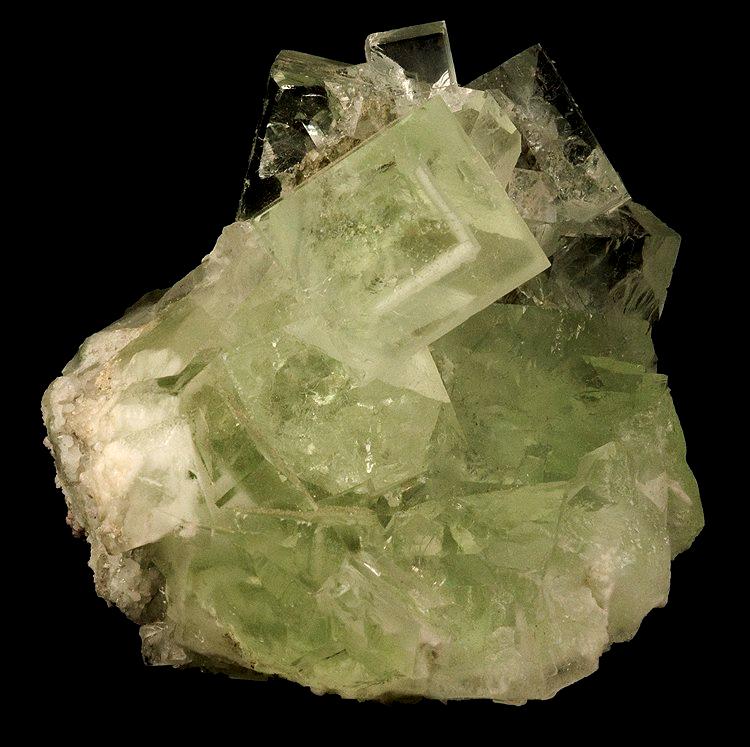
Pale-green translucent fluorite cubes clustered together, with a prominent square-faced crystal.

Uncategorized

Why Do Some Minerals Form Cubes? Natural Crystals vs. Cut Shapes

Quick answer: Some minerals grow as cubes because their repeating internal atomic arrangement allows cube-shaped crystal forms. Pyrite, fluorite and halite are familiar examples. But a…

October 5, 2026

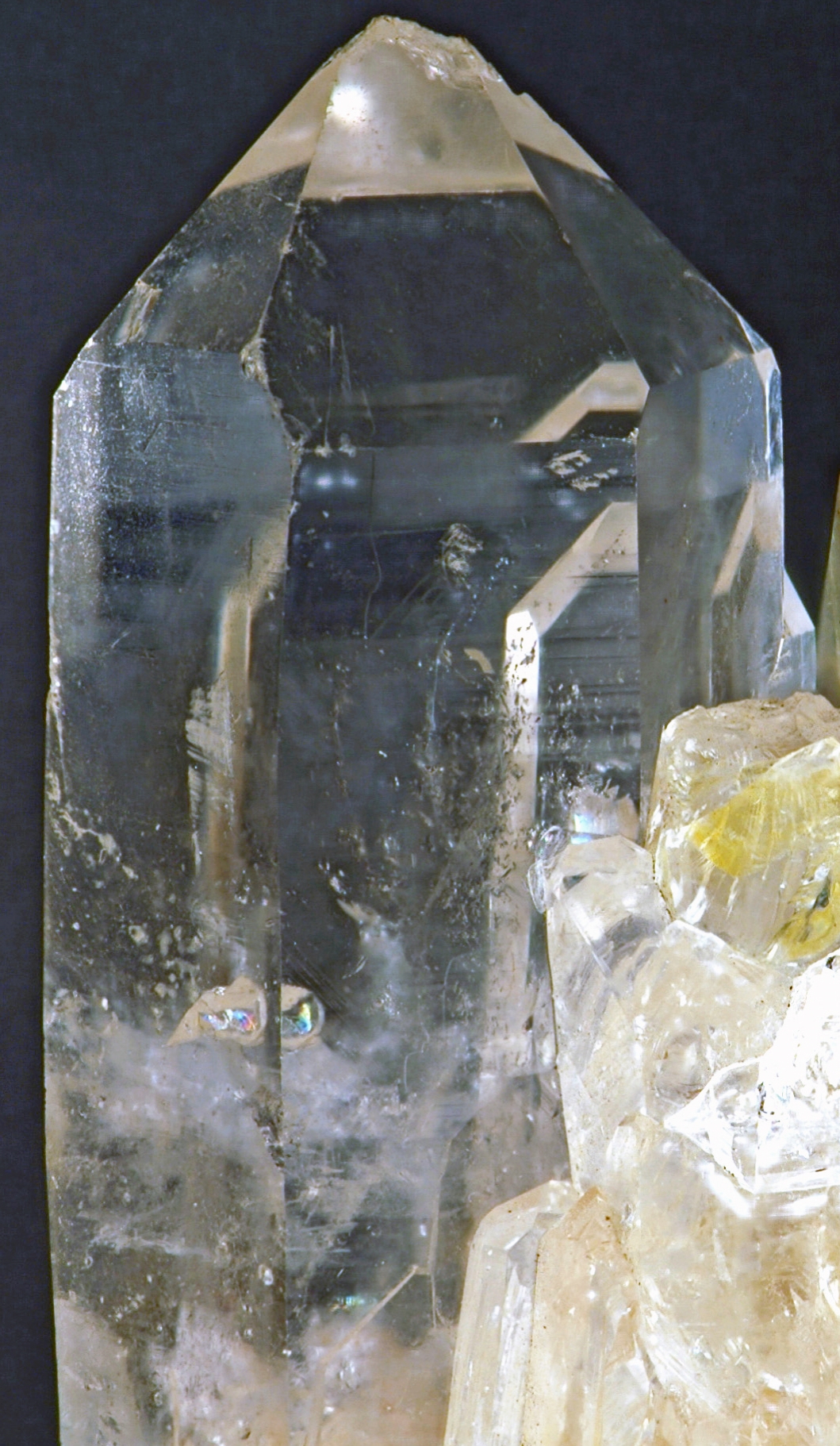
Close-up of a transparent quartz crystal with flat sides, a pointed top and smaller adjoining crystals.

Uncategorized

Mineral, Crystal, Gemstone or Rock: What Is the Difference?

The short answer Mineral describes a naturally occurring material with a characteristic chemical composition and ordered internal structure. Crystal describes a solid’s ordered internal structure—not simply…

October 5, 2026

Recent Posts

  • Quartz Varieties Explained: Amethyst, Citrine, Rose Quartz and Chalcedony
  • Comparing Loose Gemstones Online: Look Beyond Carat Weight
  • Gemstone Treatments: Questions to Ask Before You Buy
  • How to Read a Colored-Stone Identification Report
  • How to Clean and Store a Mineral Collection Safely

Archives

  • October 2026

Categories

  • Uncategorized

gemcubes.com

  • About
  • Editorial Team
  • Contact
  • Privacy
  • Terms
  • Disclaimer
  • Cookies
  • Safety
  • Legal

© 2026 gemcubes.com