Quick answer
Ruby and sapphire are varieties of the same mineral: corundum. Ruby is red corundum; sapphire covers the other gem colors, including blue, pink, yellow and colorless. The boundary between ruby and pink sapphire is not universally agreed. Both have a Mohs hardness of 9, but treatments can change their care requirements. Color alone cannot establish whether a stone is natural, laboratory-grown, treated or from a particular country. (gia.edu)
1. What ruby and sapphire have in common
Ruby and sapphire are not separate mineral species. Both are corundum, a crystalline form of aluminum oxide with the chemical formula Al₂O₃. Their different names describe gemstone varieties within that species. In its purest form, corundum is colorless; trace elements incorporated into its crystal structure can produce color. (gia.edu)
That distinction helps separate three questions:
- Mineral identity: Is the material corundum?
- Variety name: Does its color place it in the ruby or sapphire category?
- Growth and treatment history: Is it natural or laboratory-grown, and what treatments are detectable?
A name such as “ruby” answers only the variety question unless the description also addresses growth and treatment. Laboratory-grown corundum exists, and natural corundum may be treated after mining. (gia.edu)
Here is a side-by-side comparison:
| Feature | Ruby | Sapphire |
|---|---|---|
| Mineral species | Corundum | Corundum |
| Chemical formula | Al₂O₃ | Al₂O₃ |
| Naming color | Red | Other gem colors, including colorless |
| Familiar coloring mechanism | Chromium produces red | Iron and titanium produce blue; other colors have other mechanisms |
| Mohs hardness | 9 | 9 |
| Laboratory-grown versions | Available | Available |
| Treatments to ask about | Heat, diffusion and fracture filling | Heat, diffusion and fracture filling |
The shared composition explains their similar basic properties. The treatment history of the individual stone matters more for care than whether its label says ruby or sapphire. (gia.edu)
2. Why their colors—and names—differ
Chromium is responsible for ruby’s red color. Blue sapphire’s color involves iron and titanium within the corundum structure. These are trace constituents: the underlying mineral remains corundum. (gia.edu)
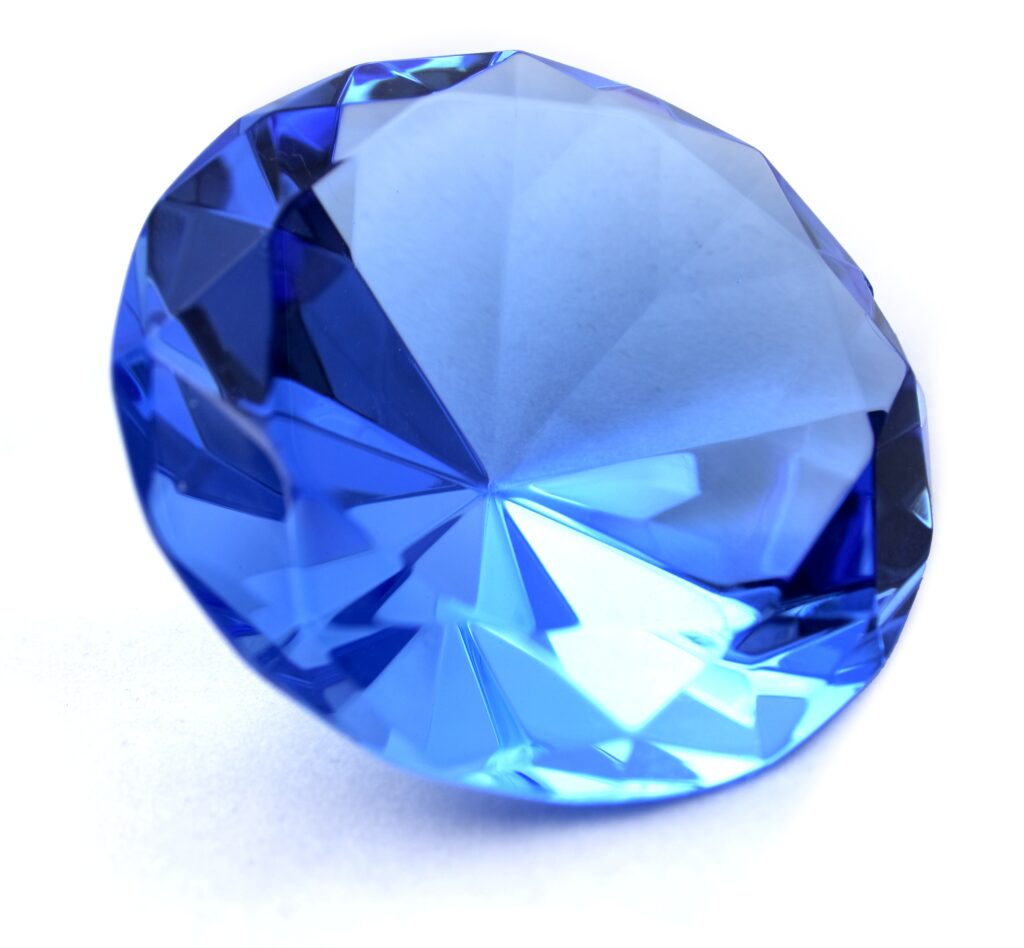
Sapphire is therefore not simply another word for a blue stone. Gem-quality corundum can also be pink, yellow, orange, green, purple or colorless. Non-blue colors are commonly identified with a color prefix, such as yellow sapphire or pink sapphire. SSEF, the Swiss Gemmological Institute, reserves the unqualified term “sapphire” for the blue variety in its terminology. (gia.edu)
Chromium can also color pink sapphire. This is why “contains chromium” is not a sufficient rule for calling something ruby. SSEF explains that chromium-bearing corundum spans a range from red to pink, and that a simple chromium-concentration cutoff is not a reliable way to divide the varieties. Chemical zoning and the stone’s cut can complicate that approach. (ssef.ch)
For a buyer, the practical lesson is straightforward: ask for the specific color and variety, not just “sapphire.” Then keep that description separate from claims about natural growth, treatment and origin.

3. Where ruby ends and pink sapphire begins
A strongly red corundum gemstone is a straightforward naming case. A pinkish-red stone near the boundary is more complicated.
GIA documents cultural and trade differences in where people draw the line between ruby and pink sapphire. Its laboratory uses comparison stones, called masterstones, and requires red to be the dominant hue before identifying corundum as ruby. That is a laboratory naming approach—not a universal threshold that every seller applies identically. (gia.edu)
SSEF likewise describes the boundary as not internationally well defined and uses masterstones for visual comparison. The naming question concerns a continuous range of color, not a sudden change to a different mineral. (ssef.ch)
For a borderline stone:
- Ask which laboratory, if any, supplied the variety name.
- Read the actual identification result rather than relying on the listing title.
- If the seller’s name differs from the report, ask for an explanation before paying.
- Decide whether you like the stone’s appearance independently of its marketing name.
Do not use an online photograph as a ruby–pink sapphire dividing line. SSEF cautions that even the photograph on its own report does not necessarily represent the stone’s actual color, clarity or size. A screen image is useful for discussing appearance, not settling a borderline classification. (ssef.ch)
4. Are ruby and sapphire equally durable?
At the mineral level, neither has a hardness advantage: both rank 9 on the Mohs scale. Hardness describes resistance to scratching. The scale is not evenly spaced, so the difference between 9 and 10 should not be interpreted as a small, equal step. (gia.edu)
Durability also includes toughness, or resistance to breaking, and stability, or resistance to changes caused by heat, light and chemicals. GIA describes corundum as having excellent toughness and no cleavage—a tendency to split along particular crystallographic directions—and considers it suitable for daily-wear jewelry. (gia.edu)
Treatment adds an important qualification. Glass-filled fractures introduce material that does not share corundum’s chemical resistance. Mild acids can damage some fillers, so “hardness 9” does not mean every ruby or sapphire tolerates the same cleaning. (gia.edu)
A conservative care approach is:
- For identified, untreated or conventionally heat-treated corundum, use warm, soapy water.
- For fracture-filled, cavity-filled or dyed material, follow GIA’s damp-cloth guidance.
- If treatment is unknown, avoid steam and ultrasonic cleaning until a qualified professional advises you. (gia.edu)
Before jewelry repair or cleaning, provide the jeweler with any treatment information you have.

5. Which treatments should buyers ask about?
“Natural” and “untreated” are different claims. A stone can have formed naturally and then undergone treatment. GIA’s buying guides advise asking about treatment for both ruby and sapphire, rather than assuming that natural growth means an unchanged appearance. (gia.edu)
Three treatment categories deserve particular attention.
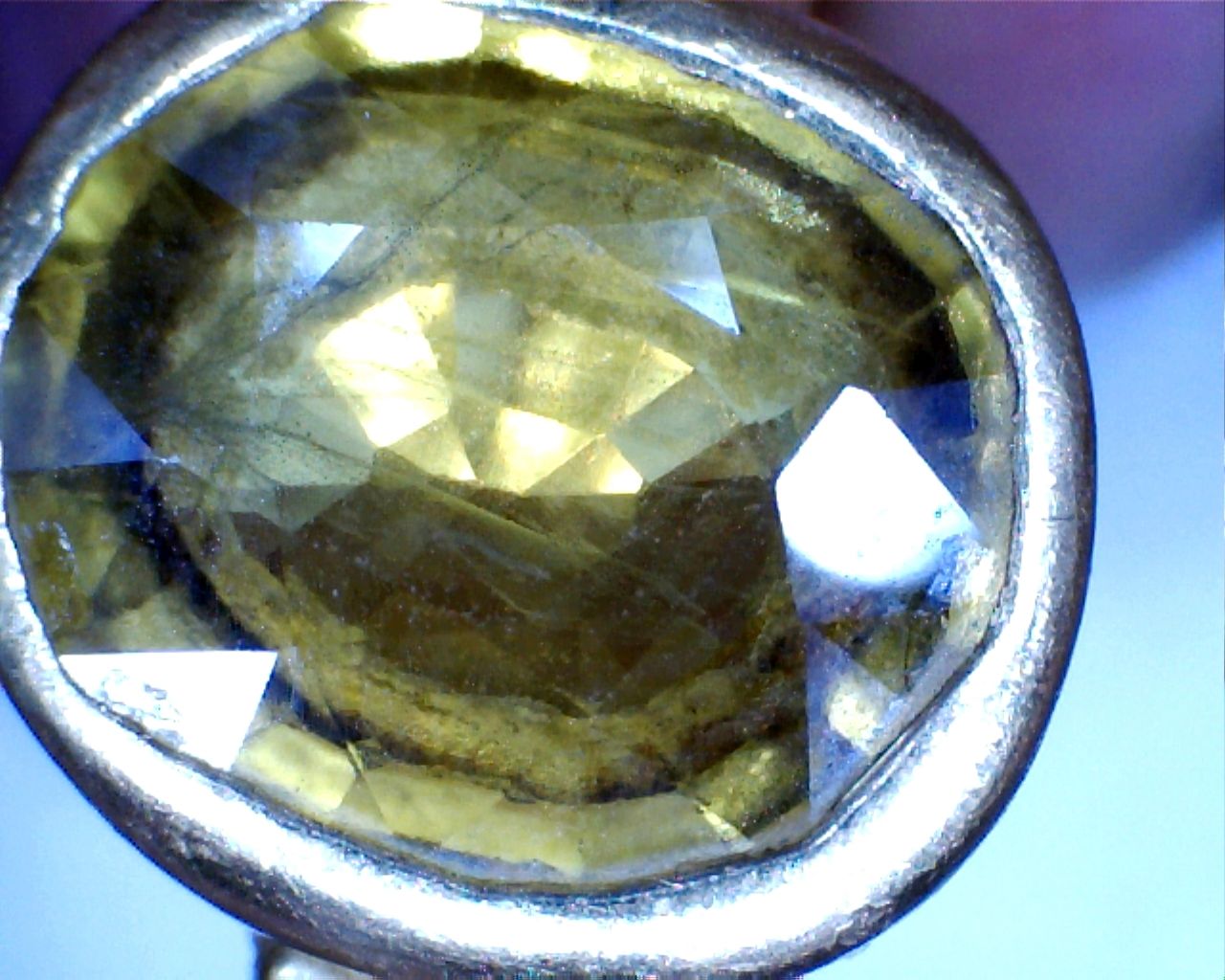
Heat treatment exposes a gemstone to elevated temperatures to alter color or clarity. In corundum, heating can change the appearance of fine inclusions as well as color. It is not the same process as filling fractures with glass. (gia.edu)
Lattice diffusion combines heat with the introduction of elements into the crystal structure to alter color. Depending on the treatment, added color may be shallow or extend through the stone. This matters if the gemstone is later recut. (gia.edu)
Fracture filling introduces material into surface-reaching fractures to make them less visible. Lead glass is one filler used in ruby. The filler’s durability and care requirements must be considered separately from those of corundum. (gia.edu)
Ask the seller:
“Is this natural or laboratory-grown? What treatments are known or detected, and can you put that information and the care instructions in writing?”
GIA specifically recommends written treatment information when buying ruby. Its sapphire guide also distinguishes heat treatment from diffusion rather than treating them as interchangeable descriptions. (gia.edu)
When a report says “no indications of heating,” preserve that wording. It describes the laboratory’s findings; do not expand it into an unsupported claim that every possible treatment has been ruled out. SSEF’s report guidance explicitly distinguishes indications of heating from other treatment comments. (ssef.ch)
6. What appearance cannot tell you—and a report can
A red appearance does not establish ruby identity. GIA notes that gemstones can be imitated by other natural or manufactured materials. Similarly, laboratory-grown ruby and sapphire have essentially the same chemical, physical and optical properties as their natural counterparts; laboratory growth is not synonymous with imitation. (gia.edu)
Keep these categories separate:
- Natural: formed through geological processes.
- Laboratory-grown or synthetic: manufactured material corresponding to the gemstone.
- Simulant or imitation: another material used to resemble it.
- Treated: material altered to change characteristics such as color or apparent clarity. (gia.edu)
An appropriate laboratory report can identify the stone, distinguish natural from laboratory-grown material and describe detectable treatments. For ruby and sapphire, an origin-report service may also provide a geographic-origin opinion when possible. GIA explicitly states that it does not provide quality grading for these colored stones. (gia.edu)
Origin is not established by a familiar shade of red or blue. SSEF bases origin opinions on microscopic features, trace-element data and spectroscopy, compared with reference material of known origin. (ssef.ch)
For a significant purchase, ask the laboratory or a qualified gemologist which service addresses your questions. Before accepting a report, compare its description and measurements with the offered stone, read all comments, and use the issuing laboratory’s verification facility where available.
7. Worked example: checking a “natural, unheated ruby” listing
Consider a hypothetical listing with a pinkish-red gemstone photograph and the description “natural, unheated ruby from Myanmar.” No test results or report are supplied.
That short description contains four separate claims:
| Listing claim | Evidence to request |
|---|---|
| Ruby | Identification and variety naming |
| Natural | Natural-versus-laboratory-grown determination |
| Unheated | Laboratory findings concerning heat treatment |
| Myanmar origin | A geographic-origin opinion, if determinable |
These are separate laboratory questions. A photograph cannot stand in for the examinations needed to address them. GIA describes reports that assess identity, growth and detectable treatments, with origin opinions available when possible and requested. (gia.edu)
Work through the listing in order:
First, request the complete report. A cropped image showing only “ruby” leaves the treatment and origin findings unanswered.
Second, compare the wording. If the report identifies the stone as pink sapphire, ask why the listing calls it ruby. The mineral may still be corundum, but the variety discrepancy needs resolving. (gia.edu)
Third, read treatment findings literally. A natural-growth finding does not establish absence of heat. A heat finding does not, by itself, answer every question about filling or diffusion. (gia.edu)
Fourth, separate origin from quality. GIA cautions that every mine produces a range of quality; a famous source does not automatically make an individual ruby good quality. (gia.edu)
Finally, decide what remains unknown. If the seller cannot document a claim that matters to your purchase, treat it as unverified. Ask for testing or reconsider the purchase rather than filling the gap with assumptions.
The most useful ruby–sapphire comparison is not just red versus blue. Start with the mineral and variety, then check growth, treatment, care and supporting documentation. That sequence helps you understand what you are buying—and which questions still need an answer.